by Isabelle Mortimer
When we think of the Holocaust our minds automatically go to the systematic murder of 6 million Jewish people at the hands of the Nazis. However, we tend to overlook one key aspect - that those who were involved in the Holocaust were individual people in their own right. This includes not only the victims and the lives which they led but also the unthinkable number of people who were involved in enabling the Holocaust.
Those who were killed in the Holocaust were more than just a number - they were men, wormen and children from thousands of communities across Europe. Unfortunately, some of these communities were completely obliterated during the Holocaust, leaving no survivors to tell the stories of those who had lost their lives. All we can do to commemorate these forgotten communities is to remember the known victims of the Holocaust and the lives which they led. In Auschwitz-Birkenau there is such a memorial known as The Book of Names. This book comprises 4 million names of the estimated 6 million people who were killed in the Holocaust. The remaining 2 million are those people who have sadly been forgotten alongside their communities.
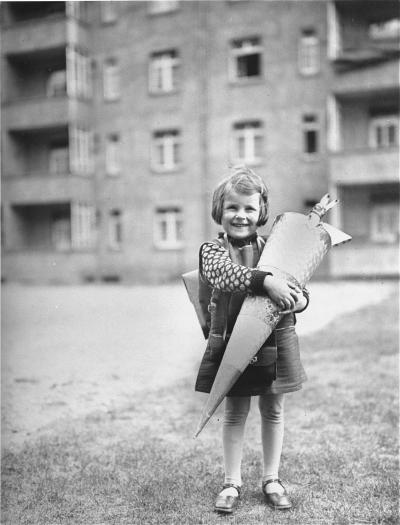
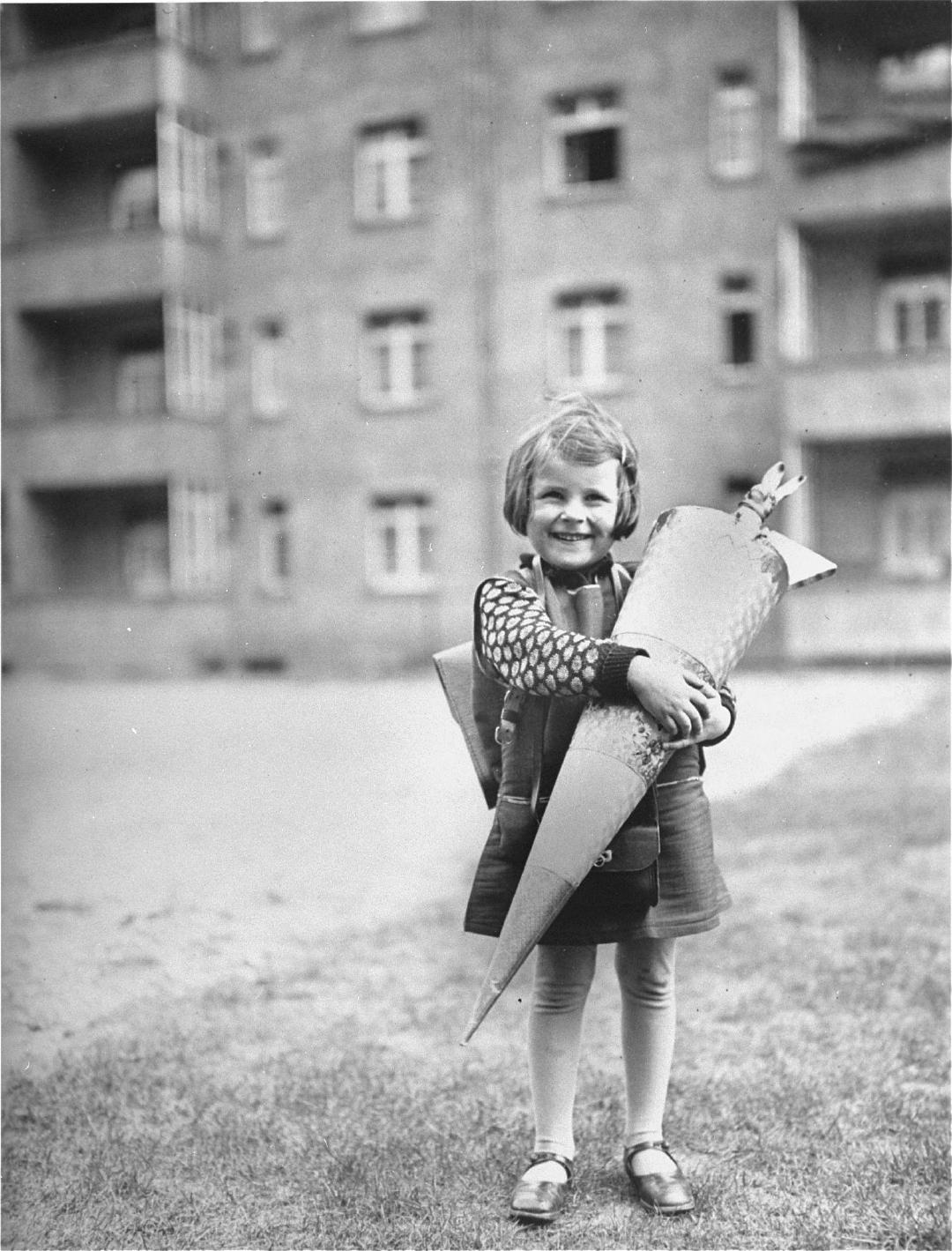
In order to commemorate everyone who lost their lives during the Holocaust, we must remember them not only as victims, but as individuals who lived lives before they were murdered. We can do this through the remembrance of case studies. One such case study is that of Berta Rosenheim Hertz who was only a child at the start of the Holocaust. Berta is photographed here where she is holding a Schultüte which is a German, not Jewish, tradition for the first day of school. It would be filled with sweets and stationary which would help them to make friends. Berta was Jewish but she was brought up primarily as German and went to a German school - she did not want to go to a Jewish school. In Nazi Germany Berta was forced to go to a Jewish school and many people from her familiy were killed during the Holocaust. However, with this photo we remember Berta’s life story rather than her being just another victim of the Holocaust.
When we remember the Holocaust we think of it as a Nazi operation which was only carried out in concentration and death camps. Instead, we must broaden our vision and consider carefully those who were involved in enabling the Holocaust. One example of this is to consider the role which the European railway network and those who worked for it played. There were deals between railroad companies and the Nazis in which Jews could be transported at cheaper rates on freight trains. Those who were driving the trains knew what they were doing but they each had a different reason for complying. Some wanted social acceptance and others the benefits that came from supporting the Nazis. However, it is important to note that they never drove these trains for fear of their lives - in actual fact nobody was killed by the Nazis for not enabling the Holocaust. Instead they would often lose their jobs or any privileges which they had.
By reading this it is clear to see how there are many misconceptions regarding the humanity of the Holocaust. It was not simply an event which happened to a certain number of people by a certain group of people. Rather, it was a widespread event which damaged families and communities and was enabled by a vast number of people and organisations across Europe.